PROJECT PROPS
PROPS PROJECT COLLECTS DATA ON YOUNG PEOPLE’S PERCEPTION OF HATE SPEECH IN ONLINE VIDEO GAMES
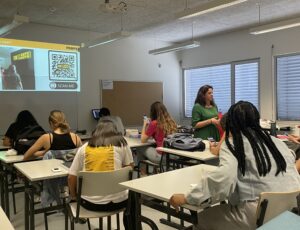
The first stage of the research applied a survey directed at young people in order to assess their exposure to hate speech in video games and online platforms. The team of the project PROPS-Interactive Narratives Propose Pluralistic Speech advanced to the implementation of three focus groups in schools of the municipalities of Olhão and Loulé. A total of 19 students, aged between 12 and 18, from four different nationalities, gave testimonies on their experiences with hate speech in online video game communities.
Through the perspective of younger players and using a type of qualitative methodology, it was possible to obtain a closer view of these young people’s experiences with offensive messages, toxic online environments, and norms of conduct in games. The analysis of the testimonies of these students revealed their understanding of hate speech, how they were affected by offensive messages, and what responses they imagine for combating this phenomenon.
The results revealed a paradoxical acceptance of toxic gaming environments, often due to desensitization. Their testimonials pointed to power, pleasure, compliance, and increased status as the primary motivations for disruptive behaviour online.
This study seeks to contribute to a broader understanding of perceptions, behaviours, and motivations in online gaming communities. At the same time, it emphasizes the need for a collaborative approach involving players, game creators, and platforms to foster a more respectful and inclusive environment.
PROPS‘s project team, led by CIAC researchers Bruno Mendes da Silva and Ana Filipa Martins, is composed of members with extensive experience in education, media studies, media literacy and the creation and production of interactive films, video games and pedagogical courses based on gamification. This project and team are also supported by Anthony Brooks (Aalborg University) and Janice Richardson (specialist in Digital Citizenship, Council of Europe) in the development of counter-narratives that help combat hate speech in these virtual and social environments.
More information here.